Flooding is one of Australia’s most frequent and costly natural disasters. From coastal surges in Queensland to flash floods across New South Wales and Victoria, water damage affects thousands of properties each year. For homeowners and business owners alike, the best defence is preparation, and that starts with flood prevention barriers.
In this blog, we explore what flood barriers are, how they work, the different types available, and how to choose the right system for your property.
What Are Flood Prevention Barriers?
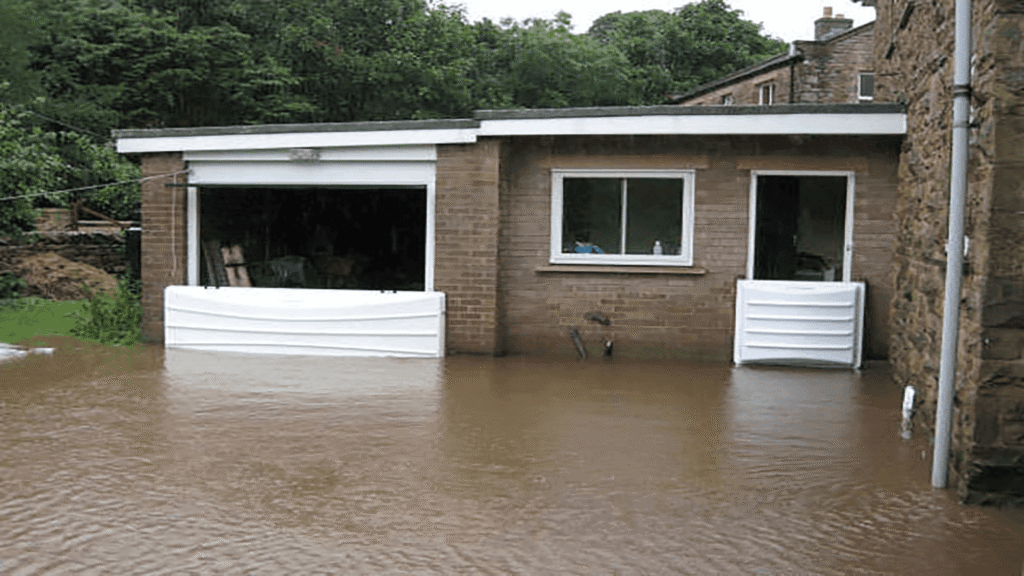
Flood prevention barriers are engineered systems meant to block or divert rising floodwater from buildings and flood-prone zones. They are an alternative to the conventional sandbags method, which can be messy, slow to deploy, and often ineffective. Modern barriers offer a more dependable, reusable, and easy-to-install solution for flood protection.
They form a watertight or semi-watertight barrier around entrances, driveways, or entire properties, helping reduce flood damage to structures, contents, and critical equipment.
Why Flood Barriers Are Essential for Australian Properties
Australia’s unpredictable weather patterns mean that no region is completely safe from flooding. Even low-risk areas can experience flash floods caused by intense rainfall or blocked drainage systems.
Here’s why investing in a flood barrier system is becoming a necessity:
- Rising Insurance Costs: Many insurers are increasing premiums for properties in flood-prone zones. Installing barriers can sometimes help lower premiums.
- Higher Flood Levels: Floods now frequently exceed the recommended property protection height of 600mm–900mm.
- Single-Storey and Timber Homes: These common building types in Australia and New Zealand are particularly vulnerable, as water easily seeps through walls and floors.
- Business Continuity: For retailers, warehouses, and commercial facilities, preventing floodwater intrusion can save thousands in equipment and stock losses.
Flood prevention barriers don’t just protect buildings; they protect your livelihood, time, and financial security.
Types of Flood Prevention Barriers
Different properties require different solutions. Below are the most common types of flood prevention barriers used in Australian homes and businesses.
-
Permanent Flood Barriers
Installed around property perimeters or building entry points, these barriers are ideal for sites with ongoing flood exposure. They are constructed from steel, concrete, or composite materials and can be integrated into landscaping or building design with minimal setup required during flood events.
Best for: Industrial facilities, warehouses, or infrastructure projects in high-risk areas.
-
Temporary or Portable Flood Barriers
Designed for quick deployment, temporary barriers are perfect for homeowners and small business owners who need flexibility. They are lightweight, easy to store, and can be assembled before or during flood warnings.
Best for: Residential properties and small commercial premises.
-
Water-Activated and Inflatable Flood Barriers
Innovative systems like Krisis Flood Bags expand automatically when in contact with water. These barriers are compact before use, simple to deploy, and provide excellent protection for contents and equipment.
Best for: Homes, retail stores, and offices, especially where content protection is crucial.
-
Automatic Flood Barriers
These advanced systems rise automatically when triggered by floodwater. They are permanently installed below ground level and provide fast, reliable protection without human intervention.
Best for: Critical infrastructure, hospitals, data centres, or buildings with high-value assets.
How to Choose the Right Flood Barrier for Your Property
Not every barrier suits every property. When choosing, consider the following factors:
- Flood Risk Level: Check local flood maps or request a Flood Risk Assessment from iREACT Consulting.
- Building Type: Single-storey, timber-framed, or multi-level properties each have different protection needs.
- Flood Height and Duration: Barriers rated for shallow flash floods differ from those designed for prolonged inundation.
- Ease of Deployment: Portable options are more suited for a rapid response, while permanent measures offer long-term convenience.
- Budget and Maintenance: Consider both installation cost and long-term upkeep.
Krisis Flood Bags: Smart Protection for Contents
iREACT Consulting has recently partnered with Krisis Flood Bags, a breakthrough in contents protection technology.
These bags are ideal for single-storey and timber-framed homes, the most common building types across Australia and New Zealand. They help protect furniture, electronics, and valuable stock, even if structural barriers are overtopped.
Key benefits include:
- Reduced insurance claims and potential premium savings
- Fast deployment with the “Set it up. Fill it up. Zip it up. Leave it up.” concept
- Suitable for homes, retail spaces, warehouses, and offices
- Supports iREACT’s FloodRecover3RTM wet-proofing strategy for quicker recovery after floods
Krisis Flood Bags are a practical, affordable way to strengthen flood resilience across residential and commercial properties.
How iREACT Consulting Helps You Build Flood Resilience
Under the leadership of flood mitigation expert John Alexander, iREACT Consulting provides independent, expert guidance on flood prevention and recovery.
John specialises in:
- Flood Risk Assessments: Identifying your property’s exposure level and recommending mitigation strategies
- Barrier Selection: Recommending the most suitable flood prevention systems tailored to your site and structure
- Supplier Coordination: Collaborating with reputable Australian suppliers and manufacturers
- Implementation Support: Ensuring chosen systems comply with performance requirements and fit seamlessly with your property layout
- Flood Recovery Planning: Applying iREACT’s FloodRecover3R strategy to achieve complete property resilience
With decades of experience in flood restoration and consulting, John ensures every recommendation is practical, evidence-based, and tailored to Australian conditions.
Contact iREACT Consulting at (+61) 433 634 344 to discuss which types of flood protection barriers are best suited for your property.