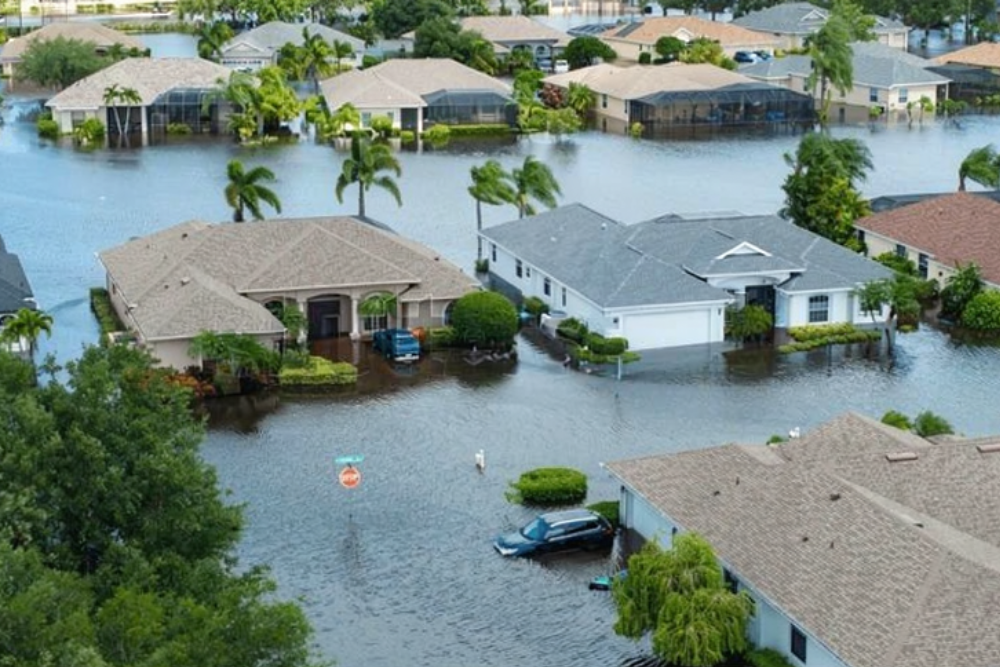
Flooding is one of Australia’s most destructive natural hazards, affecting homes, businesses, commercial facilities, and public infrastructure every year. While no property can eliminate flood risk entirely, the right flood protection strategy can significantly reduce damage, minimise disruption, and support a faster recovery.
One of the biggest misconceptions is that a single solution can protect every property. In reality, effective flood resilience depends on understanding two important approaches: flood resistance and flood recoverability.
At iREACT Consulting, John helps property owners understand the difference between these strategies and develop practical, property-specific flood resilience plans that protect both buildings and valuable contents.
In this guide, we explain what resistant and recoverable flood protection means, when each approach is most appropriate, and why combining both often provides the best long-term protection.
Understanding Flood-Resistant Protection
Flood-resistant protection is designed around preventing floodwater from entering a building. Keeping water out for as long as possible helps reduce structural damage and protect the building’s internal assets during a flood.
Resistant measures are generally most effective for properties exposed to shallow or moderate flooding, where expected water levels remain within the design limits of the chosen protection systems.
Common flood resistance measures include:
- Flood barriers
- Flood gates
- Door and window flood shields
- Water diversion systems
- Improved drainage
- Non-return valves
- Sealed service penetrations
When properly designed and installed, these measures can significantly reduce flood damage during many flood events.
However, resistant protection has limitations.
If floodwater exceeds the design height or remains around a property for an extended period, water may eventually enter the building.
This is why resistance alone should never be the only strategy.
What Is Recoverable Flood Protection?
Recoverable protection accepts that in some flood events, keeping all water out may not be possible.
Instead, the objective is to reduce damage, protect valuable assets, and speed up recovery after flooding.
Rather than focusing only on stopping water, recoverable strategies ensure that the building and its contents can return to normal operations as quickly as possible.
Examples include:
- Protecting furniture and valuables
- Raising electrical equipment
- Moving critical equipment above expected flood levels
- Wet-proofing suitable building materials
- Using waterproof storage solutions
- Protecting inventory in commercial premises
- Developing flood recovery plans
This approach is becoming increasingly important as flood events across Australia become more unpredictable.
Why Flood Mitigation Matters More Than Ever
Flood mitigation is the process of reducing the likelihood and impact of flood damage before an event occurs. Rather than waiting for a flood to happen, property owners can take proactive measures that minimise risk, protect assets, and improve long-term resilience.
Flood mitigation often involves a combination of structural improvements, flood barriers, water diversion systems, drainage upgrades, property modifications, and emergency planning. Together with a professional flood risk assessment, these measures create a practical strategy to reduce flood impacts and improve protection for homes and businesses.
Working with an experienced flood mitigation consultant gives property owners access to solutions that reflect their property’s flood exposure, construction type, and operational requirements. Rather than relying on generic recommendations, each strategy is developed to address the property’s specific risks and resilience goals.
Residential homes, commercial buildings, warehouses, and industrial facilities all face different flood risks. Working with experienced flood mitigation specialists helps ensure the right strategies are in place to reduce future repair costs, improve preparedness, and support long-term flood resilience.
Why Australian Properties Often Need Both Approaches
Flood behaviour varies dramatically across Australia.
Some properties experience:
- Flash flooding
- River flooding
- Stormwater flooding
- Coastal inundation
Each behaves differently.
For example, a flood barrier may perform extremely well during a short-duration flash flood.
However, during prolonged river flooding, water levels may eventually exceed the barrier’s design height.
This is where recoverable measures become essential.
Instead of relying on one protection method, combining resistant and recoverable solutions creates multiple layers of defence.
Factors That Determine the Right Flood Protection Strategy
Every property has unique flood characteristics.
Choosing the right flood protection strategy starts with assessing several key factors.
Property Location
Is the property located:
- Near a river?
- On a floodplain?
- In a coastal zone?
- In an urban catchment?
Each location presents different flood risks.
Expected Flood Depth
Shallow flooding often allows resistant protection to perform effectively. Deeper flooding may require greater emphasis on recoverability.
Flood Duration
Floodwater that lasts several hours behaves very differently from floodwater that lasts several days. Long-duration flooding often increases pressure on barriers and building materials.
Building Construction
Different building types respond differently to floodwater.
For example:
- Timber-framed homes
- Brick veneer homes
- Concrete structures
- Steel industrial buildings
Each requires a different resilience strategy.
Contents and Assets
Sometimes the building itself is less valuable than what is inside. Businesses may need to protect:
- Machinery
- IT equipment
- Medical equipment
- Warehouse stock
- Manufacturing systems
- Important records
Protecting these assets is often the highest priority.
Resistant Solutions for Residential Properties
Many Australian homeowners benefit from resistant measures such as:
- Door barriers
- Garage barriers
- Driveway flood barriers
- Drainage improvements
- Landscaping modifications
- Water diversion systems
These solutions help reduce water entering the home during moderate flood events.
Recoverable Solutions for Residential Properties
Recoverability focuses on reducing losses if water enters the home.
Strategies include:
- Raising appliances
- Waterproof storage
- Krisis Flood Bags for valuable belongings
- Moisture-resistant building materials
- Emergency recovery planning
These measures reduce repair costs and speed up reoccupation.
Resistant Solutions for Commercial Properties
Commercial buildings often require larger-scale protection.
Examples include:
- Industrial Flood Control Barriers
- Warehouse flood gates
- Loading dock protection
- Water diversion channels
- Pump systems
These measures protect buildings while maintaining business continuity.
Recoverable Solutions for Businesses
Businesses also need strategies to protect valuable operations.
Examples include:
- Protecting stock
- Elevating servers
- Safeguarding production equipment
- Protecting office equipment
- Emergency response planning
- Business continuity planning
Recoverability often determines how quickly a business can reopen after flooding.
Why Every Property Needs a Flood Emergency Response Plan
Having the right flood protection products is only one part of being prepared. Every property should also have a documented flood emergency response plan that outlines what needs to happen before, during, and immediately after a flood.
A well-developed plan helps property owners and businesses:
- Protect people before floodwaters arrive
- Deploy flood barriers correctly
- Safeguard important equipment and documents
- Relocate valuable assets where possible
- Maintain communication during emergencies
- Resume operations more quickly after flooding
John works with property owners to develop practical flood emergency response plans that align with their flood risks, building layout, and business operations. When combined with flood mitigation measures and recovery planning, these plans build confidence and ensure everyone knows what to do when severe weather threatens.
How John Helps Property Owners Make the Right Decision
Selecting flood protection products without understanding flood behaviour can result in unnecessary costs and ineffective outcomes.
John works independently to help clients:
- Understand their flood risk
- Evaluate resistant and recoverable options
- Select suitable flood protection systems
- Integrate flood resilience pro into their planning
- Implement The 3Rs Strategy
- Improve long-term resilience
Every recommendation is based on the property’s actual flood exposure, building type, and operational requirements.
Conclusion
Flood Consultant is no longer just about keeping water out. The most effective flood resilience strategies combine resistant measures that help limit water entry with recoverable solutions that minimise damage and support a faster recovery when flooding occurs.
No two properties respond to flooding in the same way. Taking the time to understand your flood risk and choose the right combination of protection measures can make a significant difference before, during, and after a flood.
Ready to Improve Your Flood Resilience?
Whether you’re protecting a family home, a commercial building, a warehouse, retail premises, or an industrial facility, the right flood protection strategy starts with expert advice.
John at iREACT Consulting helps property owners across Australia understand their flood risks and develop practical flood mitigation strategies. He also creates comprehensive flood emergency response plans and supports long-term resilience through flood resilience pro and The 3Rs Strategy (FloodRecover3RTM).
From designing flood-resistant homes to advising businesses on resilient infrastructure and recovery planning, every recommendation is tailored to your property’s unique requirements.
Book a consultation with John today by calling +61 433 634 344 and take the first step towards protecting your property, reducing future flood damage, and building lasting flood resilience with confidence.
Frequently Asked Questions
What is the difference between flood-resistant and flood-recoverable protection?
Flood-resistant protection is designed to keep water out of a building, while flood-recoverable protection focuses on limiting damage and helping the property recover more quickly if water enters.
Which flood protection strategy is best for Australian properties?
Most Australian properties benefit from a combination of resistant and recoverable measures because flood events vary in depth, duration, and severity.
Can flood barriers completely stop flooding?
Flood barriers can significantly reduce water entry when properly selected and installed, but they cannot guarantee complete protection during every flood event. That’s why recoverable strategies are also important to minimise damage if water enters the property.
What is Flood Resilience Pro?
flood resilience pro is iREACT Consulting’s framework for assessing flood risks and developing tailored resilience strategies that combine prevention, preparedness, and recovery planning.
How does The 3Rs Strategy (FloodRecover3RTM) help?
The 3Rs Strategy focuses on Readiness, Response, and Recovery, helping property owners prepare before flooding, respond effectively during an event, and recover more quickly afterwards.